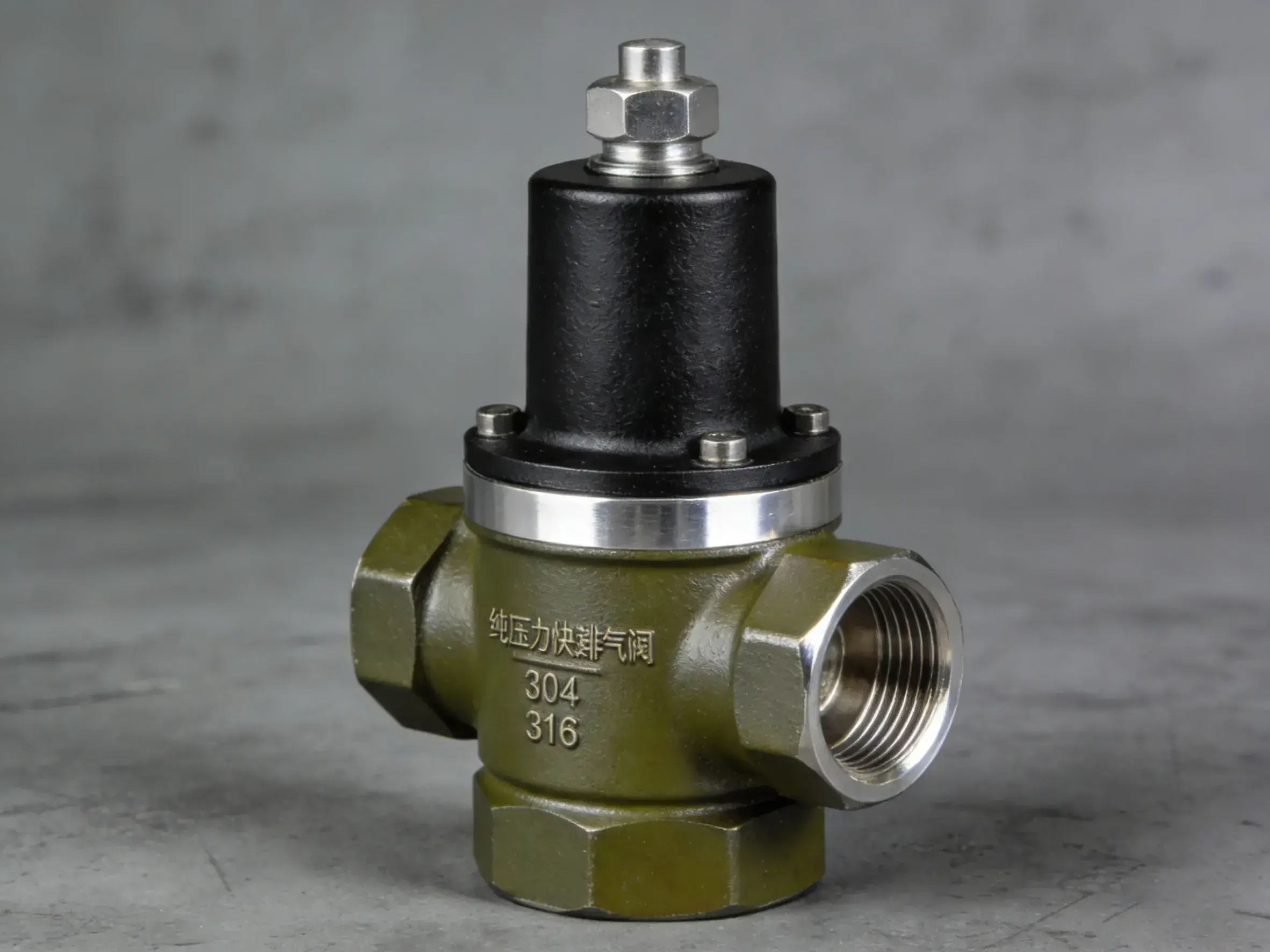
specification compliant industry specific filter valve systems?
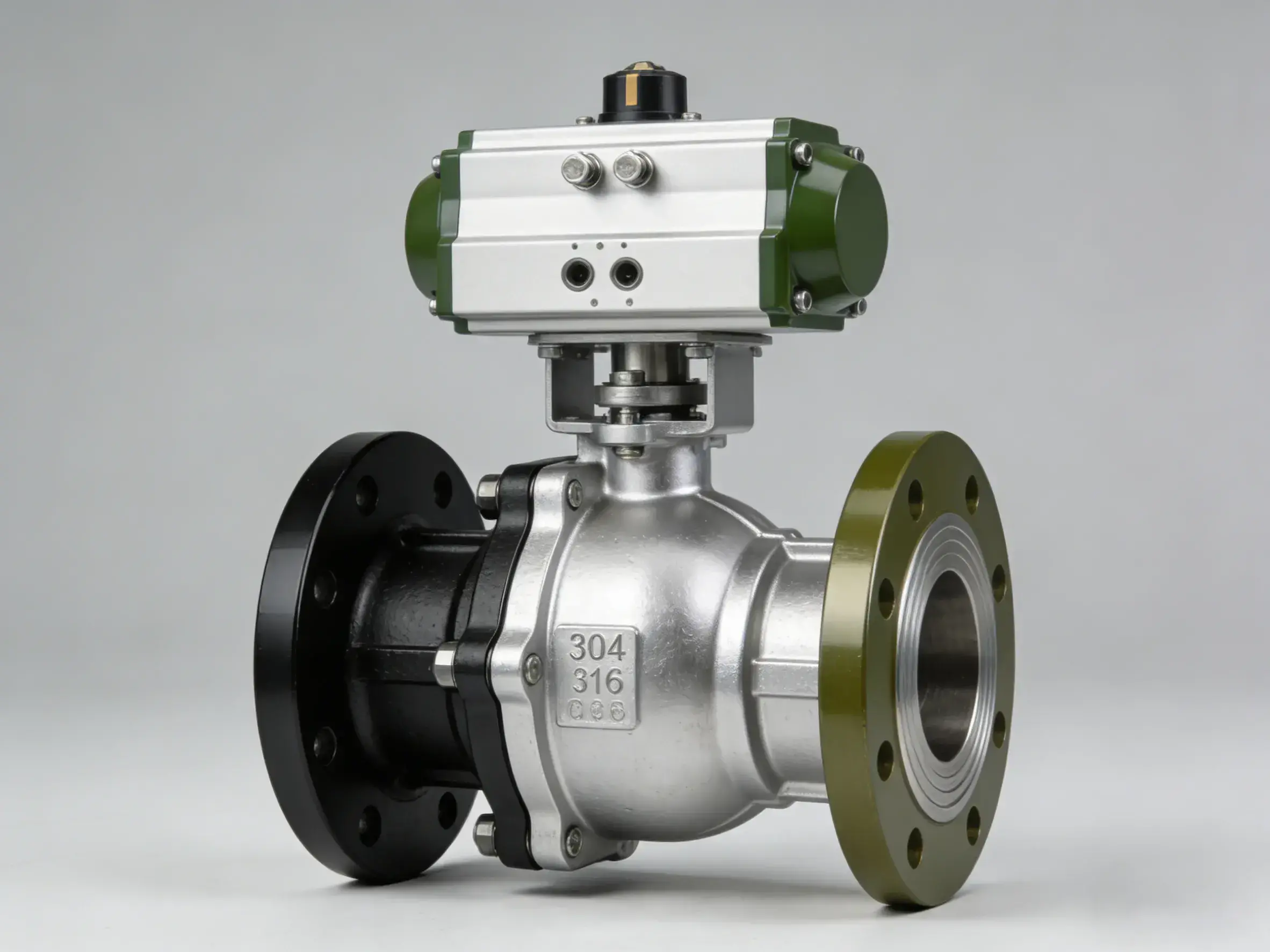
Crucial industrial valve determination improves process performance and complete system functionality. To ensure smooth functioning, it is vital to vigilantly choose valves that correspond to application specifics.
A complete valve decision guide shall examine a series of considerations incorporating type of fluid, operational stress, temperature degree, flow momentum, and modulation essentials. Besides, pinpointing the suitable valve trigger system including pneumatic, hydraulic, or electric is vital.
Thorough Analysis of Butterfly Valve Capacities
Establishing ideal operational parameters for butterfly valves is important for specialists wanting consistent and effective system control. Research assesses crucial variables determining butterfly valve capabilities, factoring composition characteristics, performance background, and inspection protocols. By comprehensive investigation of these elements, this report intends to deliver an all-inclusive insight into contributors to butterfly valve functionality.
- Blueprint aspects markedly shape aggregate operation
- Composition of valve structure greatly influences endurance under diverse performance environments
- Pressure variation acts as principal consideration appraising butterfly valve conduct, primarily under raised fluid rates
Ball Valve Applications in High-Pressure Systems
Ball valves are recognized as dependable options for controlling intense pressure scenarios. Their minimalist model contains a rotund ball with a channel that pivots to supervise the flow of liquids. This configuration skillfully confronts increased pressure situations through its strong locking.
In realms like natural resource industries, ball valves perform a key duty in operating increased pressure pipe networks. Their hardiness identifies them as adapted to withstand the pressure of increased pressure content.
- Moreover, ball valves feature fast response time, enabling prompt flow adjustment.
- Offered in diverse compositions and dimensions, ball valves are tailored to satisfy unique demands of varying elevated pressure uses.
Identifying Various Valve Varieties and Their Capacities
Throughout hydrodynamics, valves execute a fundamental task controlling the transit of liquids and gases. Deciding on applicable valve model is necessary to maximize performance. Valves get sorted by their action mechanism, structure, and practical deployment. General valve kinds contain gate, globe, check, ball, and butterfly types. Every variant displays distinct features, rendering them appropriate for particular uses. Notably, gate valves modulate flow totally, while globe valves facilitate exact management of volume. Check valves avert back stream, enabling exclusive passage. Ball valves provide fast and dependable open-close control, whereas butterfly valves excel in high throughput scenarios.
Improving Flux Management by Industrial Valves
Governing fluid transfer represents an important feature in several fabrication processes. Valves serve a central function controlling fluid and gas movement inside infrastructures. Employing suited valve categories along with effective control tactics allows producers to enhance operational productivity, security, and output excellence.
An important aspect of improving flow management involves recognizing varied valve uses. Different valve designs are suited for specific flow characteristics, pressure ranges, and operating environments. For example, globe valves tend to be utilized for flow regulation, whereas ball valves prove outstanding in stop-start functions.
To ensure precise flow regulation, it's essential to consider factors such as valve sizing, actuation mechanisms, and control systems. Incorporating progressive control setups such as PLCs delivers automated fluid monitoring and regulation, enhancing operational performance.
Systematic servicing of plant valves is required for preventing shortcomings and upholding reliable flow operation. Recognizing emerging defects ahead can lessen costly production halts and secure seamless management of essential tasks.
Repair Protocols for Plant Valve Mechanisms
Consistent servicing of plant valves remains vital for maintaining steady and dependable performance in all manufacturing areas. An effective workflow requires routine assessments, conducting consistent audits to pinpoint risks before substantial impairments occur. Maintenance of valve fittings through lubrication following manufacturer directives extensively improves endurance and lowers abrasion. On top, maintaining valves cleared of debris facilitates effective productivity.
A thorough servicing scheme should encompass record-keeping of all operations conducted on valves, detailing schedules, workers, and exchanged parts. Meticulous logging aids observation of valve functionality across durations and encourages prudent decisions for later upkeep.
Automated Control of Valve Systems
Automation has revolutionized the way valves function in numerous industries. By implementing automated systems, operators can enhance valve control, minimizing manual intervention and improving overall process efficiency. Programmed valve control contributes several advantages like enhanced precision, decreased breakdowns, and improved safety measures
- Analytics devices serve key functions within automated valve networks, reporting immediate details regarding valve alignment. Control software processes feedback to automatically govern valve parameters
- Distributed control systems typically operate automated valve mechanisms, promoting sophisticated control tactics. These solutions control valve work, discover complications, and implement remedial fixes
Furthermore, automated valve functioning enables enhanced operational tracking. Via acquired valve analytics, engineers extract vital understanding to boost workflow efficiency and minimize charges
Key Safety Precautions for Industrial Valve Deployment
Amidst assembling valves within operations, detailed safety precautions become imperative. Neglecting these precautions can lead to severe accidents, potentially resulting in property damage and even personal injuries. A meticulous hazard evaluation must occur before assembly to discover possible threats and apply effective safety controls.
Guarantee all workers engaged in setup operations receive sufficient instruction and accreditation related to valve control and adherence to safety protocols. Establish a routine schedule of periodic checks to detect any wear or issues affecting valves. Store precise files including all assembly, survey, and maintenance processes for continuous tracking
- Follow suitable business criteria and legislation supervising valve establishment and operation
- Employ suitable instruments and machinery created for facility valve fitting
- Engage collaboratively with all associates participating in the assignment to maintain protected and efficient implementation
Valves: Principal Units in Manufacturing Environments
In the detailed territory of processing/production/industry settings, valves operate as key constituents. They perform regulation of liquid movement across detailed constructs, enabling effective operations and protection. Valves apply widely within countless functions, such as managing thermal and pressure conditions together with delivering goods
- Various valve groups emerge, each tailored to accomplish selected missions. Familiar samples feature gate, ball, and globe types
- Choosing the right valve relies on criteria like volume, force, heat, and fluid classification
- Robust valve functioning stands vital in industrial environments to deter outages and maintain product excellence
Periodic checking of valves remains vital for extending service life and curbing possible breakdowns
State-of-the-Art Materials in Valve Development and Assembly
The progress in valve construction and assembly markedly relates to exhaustive implementation of state-of-the-art materials. These state-of-the-art substances yield an array of enhanced properties behind ordinary options, enabling designers to produce more proficient valves. Significant exemplars constitute sturdy ceramics adopted for firmness during challenging operations, matched with delicate metal blends improving efficiency while decreasing weight. The employment of pioneering substances contributes to valves having superior sealing features, prolonged life cycle, and heightened protection from corrosion
Valve Actuation Mechanisms: A Comparative Study
{This investigation delves into the diverse valve actuation mechanisms prevalent in modern engineering applications|This exploration examines the varied valve drive technologies common in contemporary engineering uses|The study analyzes the mixed valve triggering systems typical in current engineering projects|This research evaluates the assorted valve motion methods widespread in advanced engineering scenarios|The survey inspects the multiple valve control techniques existing in up-to-date engineering solutions|This review considers the assorted valve operating mechanisms encountered in present-day engineering environments|This analysis explores the various valve activation systems found in progressive engineering implementations|The Global Valve Manufacturer inquiry scrutinizes the heterogeneous valve act