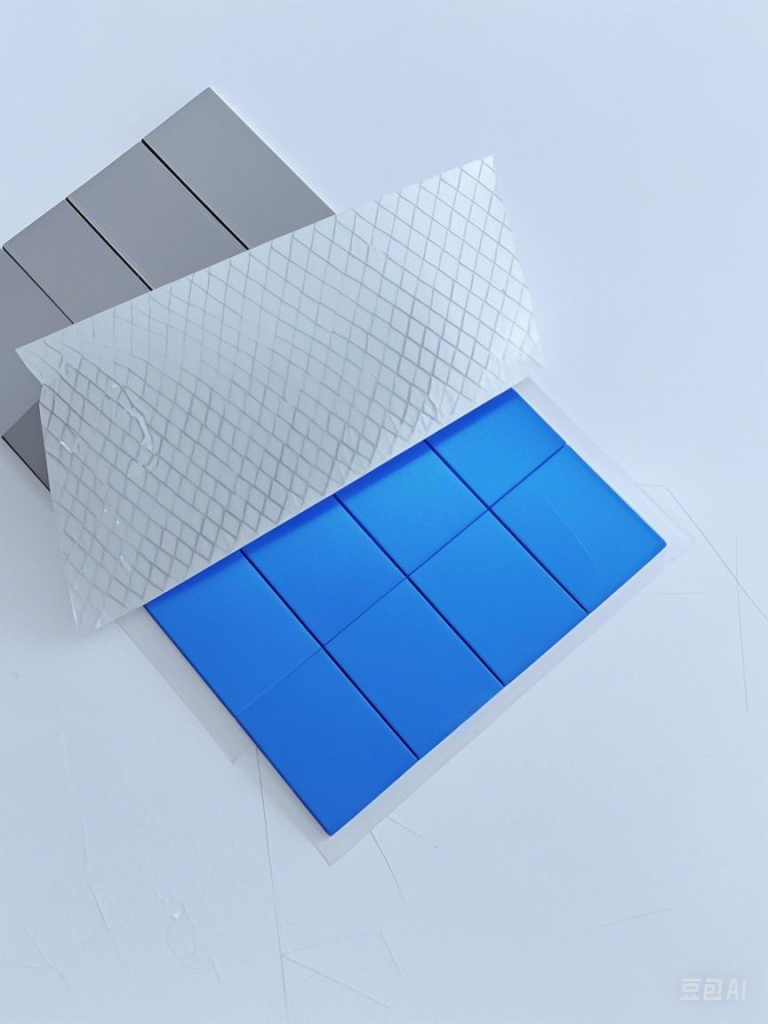
micro-encapsulated additive system multi-layer PSDM adhesive formulation?
Across the arduous area of circuitry package defense, acidic compound sealers have appeared as practical methods owing to remarkable binding qualities and resistance to harsh surroundings. These formulations create reliable barricades against dampness, decay, and foreign substances. Furthermore, their compatibility with diverse substrate materials extends their suitability across multiple usages.
- Notwithstanding
- barriers exist
- linked to acid-enhanced sealants.
These hurdles include potential harm to circuit elements and apprehensions on long-term durability under working conditions. In-depth research combined with continuous improvement works to alleviate concerns and upgrade acidic substance utilization in electronics packages
Thermally conductive layers: advancing heat control in tech gadgets
Throughout the innovative electronics domain, managing temperature rise is crucial. Owing to miniaturized designs alongside rising energy density, addressing temperature surge gains urgency. Innovative conduction layers offer high warming removal capacity plus adaptability. Such films blend into complex assemblies, supporting active thermal management. In applications such as cellular devices, laptops, and wearable gadgets, these films can extend charge duration, boost output, and maintain dependability.
- Thermally efficient membranes permit redesign in components and size to suit defined heat dissipation requirements
- Incorporating these films within production workflows presents relatively straightforward integration processes
- Continuous innovations propel conductive film technology toward increasingly advanced temperature control and broader uses
Advanced PSDM Systems Enhancing Hardware Assurance
In the developing technology environment, sustaining product robustness is essential. Techniques such as PSDM provide disruptive mechanisms managing urgent demands. The system affords companies insight to surveil performance upfront, reveal potential damage, and activate swift upkeep. Forward-looking control sharply reduces standstill instances, elevates productivity levels, and extends product durability.
Silicone Elastomers with Conductivity
These sealants combine the adaptability of silicone with the capacity to conduct electrical current. Fitting for scenarios where electric and thermal links must be maintained. Moreover, their durability against heat, dampness, and UV radiation renders them applicable in broad manufacturing and household roles
- Common practical deployments encompass electronics, vehicle assembly, and healthcare sectors
Leading Acidic Sealants Crafted for Demanding Scenarios
Fields coping with ongoing corrosion necessitate dependable barriers. Highly developed acid adhesive products supply excellent defense versus harsh reagents. Created from resilient materials, the product mounts solidly on numerous bases, securing lasting defense against acidic challenges
- Key features encompass impermeability, high temperature resilience, and an extended operational lifespan
Utilize our cutting-edge acid-based sealant to ensure consistent protection in harsh applications
Heat Transfer Sealants Optimized for Device Cooling
In the realm of electric assemblies and temperature control, thermally conductive adhesives play key roles in improving internal heat dissipation. The materials provide advanced heat conduction features that guarantee efficient thermal removal from modules. Establishing solid contacts between electronic hardware and heat sinks, these materials help lower temperature variations. Consequently, they improve device functionality, reliability, and longevity by averting overheating and associated failures.
Choosing an appropriate thermal conductive sealant depends on factors such as device operational temperature, substrate compatibility, and desired bonding strength. Evolution of thermal sealing compounds steadily upgrades conductivity, promoting smaller and stable heat management methods
Outstanding Clinging Features of Electrically Conductive Silicone Sealants
Electric-conductive silicone adhesives provide outstanding adhesion across heterogeneous surfaces. Exceptional bonding ability upholds device integrity by preventing loosening and failure. Base ingredients integrated with silver or carbon fillers encourage strong affinity to metallic, synthetic, and glass substrates. Firm bonding strengthens assembly resilience by preventing effects of vibration, heat variance, and water intrusion.
Acidic Sealant Suitability for Semiconductor Components
When selecting appropriate sealants for semiconductor applications, ensuring compatibility with substrate surfaces is crucial. Though acidic sealants offer benefits like superior adhesion and strong grip, they can pose risks to delicate semiconductor parts. Comprehensive research and exact testing validate neutrality of acidic sealants regarding semiconductor substrates.
Determinants involving acid concentration, time of exposure, and ambient climate bear on sealant effectiveness and component interaction. Undertaking exhaustive testing safeguards semiconductor devices from harmful corrosion and decay triggered by sealants
Importance of Conductive Films in Electronics Fabrication
Conductive films deliver imperative roles in streaming electrons inside device production. These substances allow smooth electric flow, facilitating uninterrupted function of complex electronic components. Employments involve adaptable visual displays, transistor films, sensory apparatus, and microcontroller modules. Superior current conduction alongside minimal thickness fits growing demands in electronics design and manufacturing
The features of conductive sheets undergo accurate calibration to align with diverse application criteria. Demonstrating fine-tuning involves regulating charge flow to obtain best efficiency and device functionality. Besides this, the films install on components including plastic, silica, and metals facilitating versatile assembly and structural techniques
- Positive aspects include elasticity, delicate makeup, and cost-efficient manufacturing
- Their usage steadily grows in gadgets like mobile phones, portable computers, and intelligent accessories
- Emerging trends focus on transparent, flexible, and self-healing conductive films with improved conductivity properties
Reviewing PSDM Versus Conventional Adhesion Strategies
Structural adhesion disciplines observe PSDM against long-established bonding procedures. This article addresses evaluation and contrast revealing benefits and drawbacks. PSDM attains rapid and meticulous bonding ideal for sensitive substrates. Opposing PSDM, traditional techniques rely on physical methods usually producing firm attachment with lengthy times
- PSDM’s main strengths revolve around adaptability and user-friendly implementation
- Established joining methods usually yield firmer bonds preferred in demanding contexts
Emerging Innovations in Acidic Sealant and Conductive Film Fields
Progress in acid-based sealant and conductive film sciences promises remarkable improvement. Central trajectories target advancements promoting resilient sealants tailored to severe environments. Alongside, research promotes advancements in conductive coatings for flexible gadgets, Conductive Film/thermal Conductive Sealant sensing elements, and power sources.Coordination among technologists and commercial entities ensures essential momentum in innovation. Combined efforts assure that acid-origin acidic sealants and conductive film products stay aligned with dynamic market conditions