long-life and sturdy flexible wire armored steel cables for industrial use?
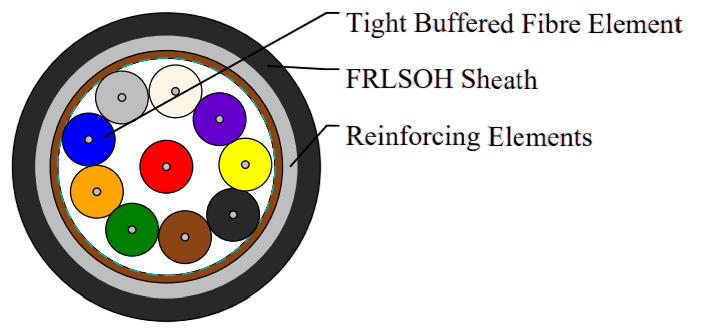
Manufacturing sites offer distinct issues regarding electricity distribution. Conventional conductors is often liable to physical harm from impacts, abrasion, and erosive substances, hindering functionality and posing safety risks. Armoured cable solutions offer a robust response to these concerns, providing critical protection against these factors. These cables typically incorporate a metallic sheath, often steel wire or banding, offering a physical barrier against extrinsic threats. The armouring level is carefully assessed based on the specific application, considering factors such as potential impact forces, environmental conditions, and regulatory conditions. Selecting the correct armour type – whether it's a single layer, double layer, or featuring a specific format – is essential for ensuring long-term soundness and minimising downtime in demanding industrial settings. Furthermore, advances in cable design now include features like low-smoke zero-halogen (LSZH) materials, providing both mechanical protection and improved fire safety performance – a critical element in many processes.
Reinforced Wire Covered Cabling
Involving strict voltage scenarios, steel wire armoured wires represent a prime choice, delivering unmatched protection against mechanical damage and natural influences. These robust arrangements typically feature multiple layers; an inner insulation substance, surrounded by a galvanized or stainless steel wire armour, all encased within an outer sheath. The steel wire armour, carefully helically wrapped, provides a formidable barrier against rodents, abrasion, and crushing forces frequently encountered in factory installations and direct burial scenarios. Consequently, they are widely adopted in infrastructure projects, mining operations, and any setting where a higher level of shielding against physical compromise is essential for continuous and reliable power supply. Their consistent performance in harsh conditions significantly reduces the risk of costly downtime and ensures a steadfast electrical connection.
Heavy-Duty Cable Shielding
Requirements set for power lines in process-oriented settings are exceptionally intense. Exposure to abrasive conditions – from chemical spills and dynamic damage to temperature fluctuations – can swiftly degrade cable integrity, leading to steep downtime and forecast safety hazards. Therefore, robust cable armouring is not merely an option, but a critical necessity. Modern armouring solutions go beyond simple metallic wrappings, incorporating new materials such as high-tensile steel wires, aramid fibers, and even composite structures designed to resist specific threats. The selection of appropriate armouring depends heavily on a thorough assessment of the foreseen environmental factors and the magnitude of risk. Moreover, different industries – like gasoline and excavation – present unique challenges that necessitate specialized armouring techniques to ensure continuous cable performance and a safe operational foundation.
Fortified Wire Network
When critical electrical infrastructure face rigorous conditions, wire armoured cable confirms itself to be an crucial solution. These cables, encased in a strong metallic sheath, offer unparalleled buffer against mechanical damage, vibration, and even rodent breach. Unlike standard cable, armoured varieties are perfectly suited for production environments, underground insertion, and areas prone to structural impact, offering prolonged operational duration. The inherent sturdiness of the armouring ensures constant power delivery, limiting downtime and affirming the sustained functionality of delicate equipment. This makes it the leading choice for operations where reliability isn’t just desirable; it's positively essential.
Sturdy Manufacturing Cables with Wire Armour
Related to strict scenarios involving massive loads, adverse conditions, and the risk of mechanical injury, selecting the correct cable is totally essential. Ferrous armoured industrial cables offer a excellent level of shielding against abrasion, strikes, and crushing forces. These cables, frequently employed in fabrication sites, mineral fields, and seafaring installations, combine the dynamic properties of a robust conductor with the physical firmness afforded by a tightly wrapped armouring layer. The architecture typically includes multiple layers of meshed steel strands, ensuring a remarkably tough barrier against external threats. Proper deployment and adherence to applicable safety regulations are paramount to supporting the cable's functionality and lifespan.
Safeguarded Power Cables for Heavy-Duty Properties
Factory settings present distinct challenges for static distribution. Reliable armoured power circuits are increasingly necessary for providing persistent operation within these demanding premises. These designed cables incorporate layers of protection, typically alloy, to withstand corporeal damage from impacts, abrasion, and wildlife activity, common in factories, assembly plants, and logistics facilities. Selecting the apt armour type – whether it’s galvanized steel or stainless mesh – depends on the specific dangers present at the position. Furthermore, the genre of bedding and sheathing used also serves a significant role in overall cable survival and resistance to ecological factors.
Galvanized Wire Defense
Protecting critical cable infrastructure is paramount in up-to-date installations, and steel wire armour represents a robust and reliable solution. This guide explores the advantages of this protection method, detailing its construction, application, and the different standards it adheres to. Steel wire armour provides a physical barrier against external damage, including rodent infestation, mechanical stress, and abrasion. The interwoven steel wires create a flexible yet incredibly tough shield, offering significantly enhanced protection compared to standard cable jackets. Different construction types, such as single-layer, double-layer, and helical wound configurations, cater to certain application requirements, ranging from underground power transmission to data communications within severe environments. Careful assessment of the operational environment and potential hazards is crucial for selecting the correct armour type and ensuring long-term cable integrity. Furthermore, understanding the pertinent installation procedures and maintenance guidelines is key to maximizing the armour's impact and extending the lifespan of the protected cables.
Commercial Wire Shielded Lines
Heavy-duty protected networks are known for their exceptional capability and robust toughness in demanding contexts. Designed to withstand mechanical stress, intense weather, and potential disruption from external factors, these custom-built conduits are a critical component in a extensive range of industrial applications. The armouring, typically comprised of galvanized steel wires or bands, provides a layer of safeguard against abrasion, compression, and impact. Moreover, modern fabrication processes often incorporate advanced materials and strategies to further enhance their overall dependability and extend their operational persistence. The combination of a robust outer layer and high-quality insulation ensures that the current signal remains protected and stable, even under the highest challenging circumstances.
Heavy-Duty Cable Installations
Securing stable information transfer and voltage dispersion, particularly in stringent environments, necessitates cutting-edge cable system construction. A vital element in achieving this robustness is the application of steel wire armour. This safeguarding layer provides exceptional resistance to physical damage, shielding the delicate inner conductors from scraping, squeezing, and even animal attacks. Employing various layers of galvanized or stainless steel wire creates a potent barrier, exceeding the efficiency of simpler cable defenses. Ultimately, the use of steel wire armour translates to abated downtime, extended cable lifespan, and a significant improvement in overall system validity across a large range of applications, from subterranean utilities to marine infrastructure.
Fortified Cable Classes for Manufacturing Networks
Preferring best covered conductors is essential for the steadfastness and durability of any operational complex. Common types include Steel Wire Armoured (SWA), which provides exceptional mechanical security against physical breakage from rodents, abrasion, and impact, often utilized in hidden applications or areas with high hazard. Furthermore, Aluminum Wire Armoured (AWA) presents a easier weight-bearing alternative, favorable where weight is a concern. Finally, for applications demanding even greater withstand capability to corrosion, Stainless Steel Wire Armoured cables grant a elevated solution, though at a increased price. Understanding the precise environmental situations and working needs is necessary for making the correct determination.
Determining Suitable Steel Strand Protected Line
{Selecting the "proper" steel wire protected cable for your installation requires careful analysis of several principal factors. Beyond the essential voltage rating, you must examine the atmospheric conditions. In particular, cables intended for subsurface installation demand increased mechanical defense against terrain adjustment and possible physical impairment. The style of soil—its structure and dampness—all play a important function. Furthermore, legislative directives and area-specific necessities must be uncompromisingly followed. At last, a proportional approach that prioritizes Cables with steel wire armor protection both electrical and mechanical functionality is critical to secure permanent constancy.