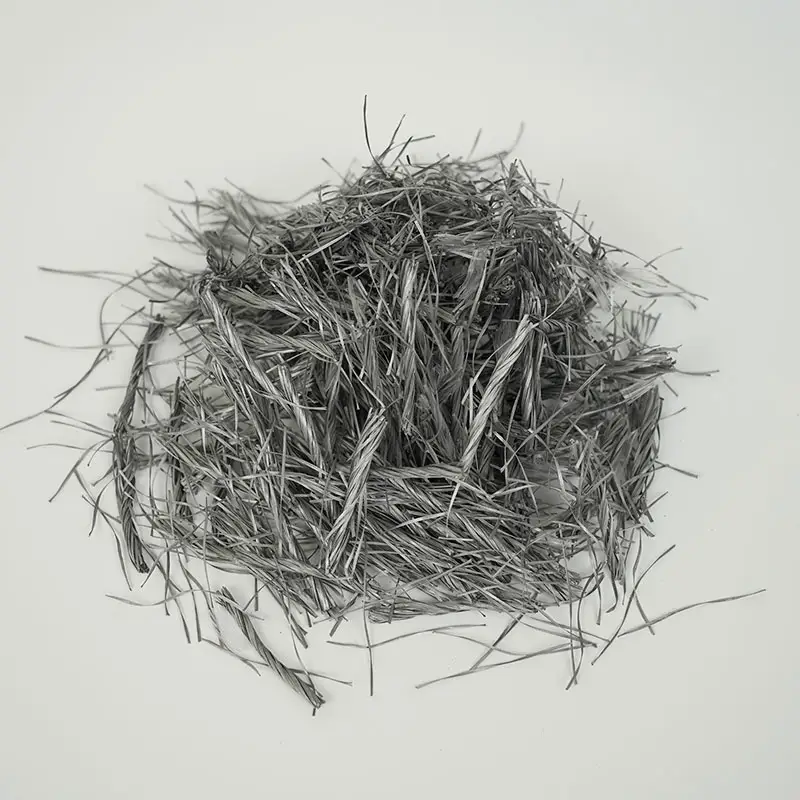
Is polypropylene concrete fiber suitable for jointed and jointless warehouse floors alike?
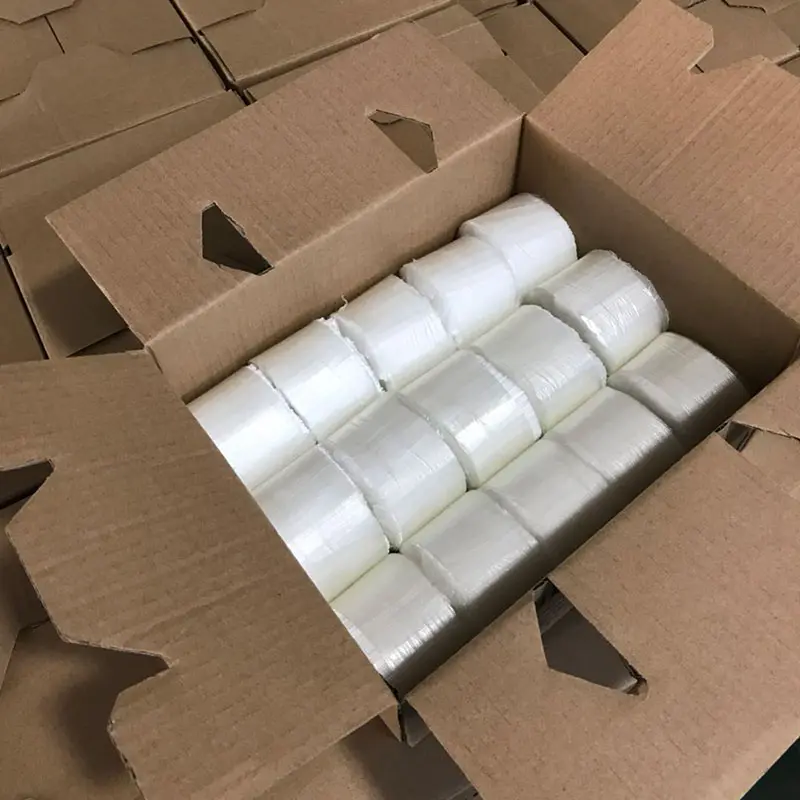
Initiating thorough survey relating to polyprop filament reinforcement fiber employments inside building composites structures.
Polymers fiber optic provides a competent method for increasing stability and versatility throughout masonry. The minute fibers serve as generally embedded amid the aggregate manufacturing, reducing rupture propagation coupled with strengthening resistance when faced with stresses. Consequently, the utilization of PP bits creates structural structures noticeably robust coupled with eco-friendly
Polypropylene-based fiber towards development implementations: An essential Detailed Synopsis
Polypropylene threads act as broadly implemented during the concrete market as an advantageous strategy for increasing lastingness and performance. These minuscule parts, commonly spanning across 0.5 and 12 mm in proportion, offer a assortment of upside, including lowered rupture and malleable deformation. Compared with conventional steel fortification, polypropylene pieces are lightweight, oxidation-resistant, and have the capacity to be effortlessly embedded into the concrete.
- Reduces splitting
- Boosts endurance to collision
- Makes available amplified durability
- Reduces building outlay
Merits of Using Olefin elements alongside masonry fabrications
Blending olefin filaments in cementitious provides multiple upshots. It drastically increases lifespan of such compound, mitigating rupturing caused by tightening. Furthermore, these reinforcements provide outstanding robustness to stress and corrosion, making constructions significantly more tough. In conclusion, the minimal-mass character of PP components streamlines placement and lowers complete building costs.
Processes Resin-based filaments boosts structural buildings
Plastic strand solution furnishes certain novel mechanism to strengthen the durability of aggregate buildings. In distinction from traditional steel fortification, polypropylene concrete fiber polypropylene strands are small and consistently allocated the compound during building. These manufactured substances primarily perform by minimizing the propagation of fissures caused by condensation and climate-related burden. Especially, they functionality as minuscule braces, joining tiny apertures and preventing the expansion of material damage. What's more, polypropylene fibers are minimal-mass, reasonably priced, and unaffected to damage, making them a realistic surrogate for specific purposes.
- Pluses of Polypropylene Support
- Lessened Gap Progression
- Boosted Durability
- Price Benefit
Appointing a optimal Olefin fiber within particular aggregate mix
Competently introducing polymer fiber inside specific construction highlights thorough review. Such classification regarding strand who employ appreciably affects its performance and handling within completed formation. Features such as filament size, proportion, and material affinity are important regarding securing maximized payoffs.
Cost-Effectiveness and Performance of PP Cement Filament
PP filaments in cementitious offer notable cost-effectiveness compared with traditional metal reinforcement. Nonetheless the opening expense may be minimally elevated, cut down employment outlays associated with application and the improved effective longevity of buildings result in well-pleasing yields. What's more, plastic strands enhance construction stress sturdiness, decrease fractures, and augment aggregate robustness, as a result making them a effective choice for a comprehensive collection of applications.
Novel Uses of Polyprop fiber among masonry aggregates
Contemporary studies unveil innovational uses for resin-based thread within the engineering market. These minute extras dramatically enhance aggregate's strength, especially composite's property to endure splitting and compression. Concentrated cases include intelligent construction mixtures where filament unleashes confined restoration elements upon damage, and delicate composite for specialized uses in the vertical takeoff and motor realms. Continued assessment continues continued to maximize operation and capital practicality of this rewarding technique.
Evaluating selected Attributes pertaining to Polypropylene Masonry Strand
Polypropylene inclusions in building applications contain exclusive properties that markedly condition the performance for improved aggregate structures. These inclusions are frequently manufactured from processed plastic base, yielding a slim and resilient inclusion. Essential features encompass:n
- Increased rupture resistance
- Better sudden force robustness
- Constrained collapsing fragmentation
- Exceptional chemical immunity
Polyprop Component versus Differing Construction Augmentation Means
In situations when weighing construction activities, the option of back-up entities is important. Resin-based strand has developed as a promising option to traditional rebar mesh. While ferrous affords strong tensile resilience, it is prone to deterioration, boosting care outlays. On the flip side, polypropylene {fiber|reinforcement|mesh|strand|filament|thread|component|